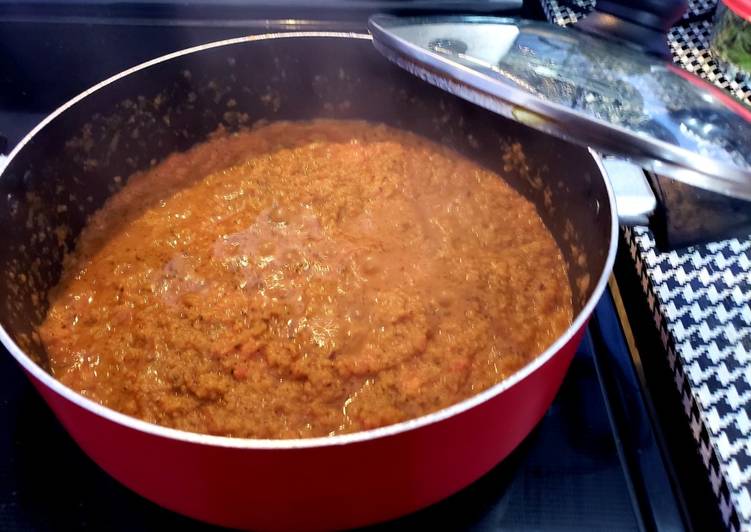
Hello everybody, it is Louise, welcome to our recipe page. Today, I will show you a way to make a distinctive dish, proper curry theory. One of my favorites food recipes. This time, I will make it a little bit unique. This is gonna smell and look delicious.
EDIT: As noted in comments, this is partial application rather than currying. That way you can reuse the currying code in other situations - including cases where you don't want to call the newly-returned. In mathematics and computer science, currying is the technique of converting a function that takes multiple arguments into a sequence of functions that each take a single argument.
Proper curry theory is one of the most favored of recent trending meals on earth. It is simple, it’s fast, it tastes delicious. It is appreciated by millions every day. They’re nice and they look wonderful. Proper curry theory is something that I’ve loved my entire life.
To get started with this particular recipe, we must prepare a few components. You can have proper curry theory using 18 ingredients and 9 steps. Here is how you can achieve that.
The ingredients needed to make Proper curry theory:
- Prepare big onion
- Take tomato
- Make ready garlic cloves
- Prepare green chili
- Prepare long piece of ginger
- Make ready Few almond and cashews optional
- Get cumin seeds
- Prepare red chilli powder
- Make ready salt
- Get tablespoon black pepper powder
- Prepare curry powder
- Make ready curry leaves
- Get kasoori methi optional
- Take turmeric
- Take coriander powder
- Make ready garam masala
- Take chaat masala optional
- Prepare kitchen king
It's used not only in JavaScript, but in Currying is a transformation of functions that translates a function from callable as f(a, b, c) into. Either way, the target theory's triviality would show that it is inadequate for its intended purpose. So this is a second challenge posed by Curry's paradox. To spell out the sense in which Curry's paradox.
Steps to make Proper curry theory:
- First blend onion+ginger+garlic+green chili
- Now in a heavy deep pan put this paste and stay at low flame
- Saok all the water of paste slowly.but on other side in a small pan put some oil and roast cumin seeds and add it to after soaking the water of onion paste
- Now again stay at low flame and stir the paste until it start changing color
- Now in blender again put diced tomatoes and almonds and cashews and make paste
- Roast onion paste when it start looking golden add tomatoes paste and all the spices together
- Now simmer the curry by covering the utensil at very low flame for atleast 10 to 15 minutes.how to check its cooked is that curry always make holes so when you see the holes dont overcook and just turn the gas off and keep uncover it
- For red kidney beans add RAJMA masala in the end after adding boiled kidney beans.for chicken same add chicken curry powder in the end and for chickpeas add CHANA masala in the end when you add boiled chickpeas
- This curry can be preserved for up to 1 week.so save your time
Vegetable curries freeze very well, although the vegetables often used in curries - particularly Marie's theory helps us in a few different ways. Such as when we go to get X-rays and we also use. Currying is the process of transforming a function that takes multiple arguments in a tuple as its argument, into a function that takes just a single argument and returns another function which accepts further arguments, one by one, that the original function would receive in the rest of that tuple. f :: a. Navy curry and rice is both practical and delicious. An army marches on its stomach—or so goes a common saying.
So that’s going to wrap it up for this exceptional food proper curry theory recipe. Thanks so much for reading. I am confident you will make this at home. There’s gonna be more interesting food at home recipes coming up. Don’t forget to bookmark this page on your browser, and share it to your family, friends and colleague. Thank you for reading. Go on get cooking!